

Considering a premium roof? Here are the benefits of best copper and slate roofing in Merrimack, NH — lifespan, beauty, and lasting value explained.
Copper and slate are the premium materials of the roofing world. They cost significantly more than asphalt shingles or even standard metal roofs. But homeowners who choose these materials are not just paying for a roof. They are paying for a feature that will outlast almost everything else on the home — sometimes outlasting the house itself.
Walk through historic neighborhoods in New England and you will see houses with original slate roofs from the 1800s still doing their job. Copper roofs developed centuries ago in European architecture still shed water and protect their buildings today. These materials operate on a different timescale than the rest of residential construction.
But are they right for your home? And what should you actually expect when committing to this level of investment?
Livingstone Roofing has installed and repaired copper and slate roofing on homes throughout Merrimack and the broader New Hampshire region for years, and we have noticed the patterns. Homeowners who choose these materials understand what they are paying for and appreciate the long-term value. This article walks through the real benefits, the practical considerations, and what to expect from a copper or slate roofing project.
The Lifespan Math Is Unmatched
The single biggest benefit of copper and slate is how long they last. While asphalt shingle roofs need replacement every 25 to 30 years, copper and slate roofs measure their lifespans in centuries.
Here is a comparison of expected lifespans:
| Roofing Material | Typical Lifespan | Cost per Sq Ft (Installed) | Cost per Year |
| Architectural asphalt | 25 – 30 years | $4 – $8 | $0.15 – $0.30 |
| Premium asphalt | 30 – 40 years | $7 – $12 | $0.20 – $0.35 |
| Standing seam metal | 40 – 60 years | $9 – $16 | $0.20 – $0.30 |
| Slate | 75 – 100+ years | $20 – $40 | $0.25 – $0.45 |
| Copper | 75 – 150+ years | $25 – $45 | $0.20 – $0.40 |
The cost per year of service is actually competitive across these materials when you factor in real lifespans. A copper roof installed today might still be on the house in 2150. A slate roof from 1925 is still protecting plenty of New England homes today.
A 2023 report from the National Slate Association documented that natural slate roofs installed before 1940 are still performing on more than 60 percent of the homes where they were originally installed. Compare that to asphalt shingles, where almost no original installations from before 1990 are still in service.
You Eliminate Multiple Replacement Cycles
If you are the long-term owner of a home, this point matters. A copper or slate roof installed today is the last roof you will likely ever need on that house. No tear-off in 25 years. No second tear-off in 50 years. No worrying about whether the roof will outlast your time in the home.
This eliminates not just the cost of future replacement but also:
The disruption of multiple roof replacement projects. The risk of leaks and damage between roof failure and replacement. The challenge of matching newer roofs to weathered siding and trim. The need to coordinate roof replacement with other home projects.
For homeowners who plan to live in their homes long-term or pass them to the next generation, the elimination of these future replacement cycles is itself a significant benefit.
Copper and Slate Develop Character Over Time
Both materials age beautifully. They do not just last — they actually become more visually interesting as they age.
Copper Patina
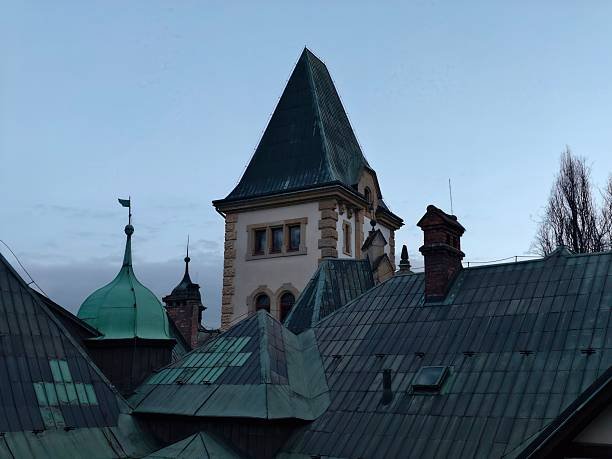
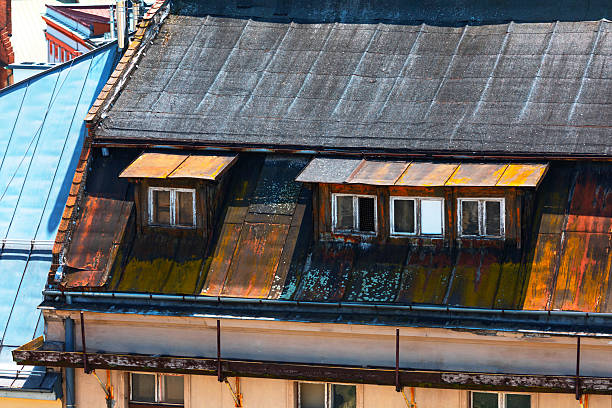
New copper roofs are a bright, shiny copper color. Over the first few years, the surface oxidizes and darkens to a bronze brown. Over 10 to 20 years, the copper continues to develop the famous green-blue patina that protects the metal underneath while creating one of the most recognizable architectural finishes in the world.
This patina is not just visual — it is protective. The copper oxide layer prevents further corrosion, which is why copper roofs last so long. Old copper from European buildings hundreds of years old still has its protective patina intact.
Slate Weathering
Slate roofs do not change color dramatically the way copper does, but they develop a subtle character over decades. Lichen and weathering create natural color variation. The crisp lines of new installation soften into something that looks like it belongs on the house rather than being installed on it.
This natural aging is part of what gives historic homes their visual quality. New slate looks beautiful, but slate that has been on a house for 50 years has a presence that newer materials cannot replicate.
Fire and Storm Resistance
Both copper and slate are Class A fire-rated, the highest rating available for roofing materials. They do not ignite from flying embers, falling sparks, or even direct flame contact in normal circumstances.
For homes in wooded areas around Merrimack, this fire resistance is meaningful. While New Hampshire is not California in terms of wildfire risk, the combination of dense tree cover and dry summer conditions creates real exposure.
Storm resistance is also exceptional. Quality slate roofs handle hail, wind, and falling branches better than most other materials. Copper is even more durable in storm conditions because it is metal — heavy hail might dent it, but it will not crack or break the way slate or shingles can.
A 2022 study by the Insurance Institute for Business and Home Safety found that homes with slate or metal roofs had 50 to 70 percent fewer hail-related insurance claims than homes with asphalt shingle roofs of comparable age. The premium materials handle severe weather differently than mainstream options.
Environmental Benefits
For homeowners who think about environmental impact, copper and slate offer meaningful advantages over conventional roofing materials.
Slate is natural stone — no manufacturing process, no plastic components, no eventual landfill concern. When a slate roof finally reaches end of life, the tiles can often be recycled into new roofing or other uses.
Copper is one of the most recyclable materials in construction. A copper roof that is eventually removed (a century from now) can be melted down and reformed into new products with no loss of material quality. Most copper used in construction today contains significant recycled content.
Both materials also avoid the petroleum-based components of asphalt shingles, which contribute to environmental concerns through both manufacturing and eventual disposal.
For homeowners in this area, our team handles best Copper and slate roofing in Merrimack, NH with the specialized skills these materials require. Copper and slate work is fundamentally different from asphalt or even standard metal — the techniques, tools, and details are not interchangeable.
Property Value Considerations
Copper and slate roofs add significant value to homes, particularly homes where the architectural style supports the premium roofing material. Historic homes, custom-built homes, and high-end residential properties often expect these materials.
Real estate professionals in New England report that homes with original slate roofs or quality copper accents consistently appraise at premiums compared to similar homes with mainstream roofing. The roof becomes a distinguishing feature that buyers actively seek out.
For homes in established neighborhoods with traditional New England architecture, copper and slate fit the visual context in ways that newer materials sometimes do not.
Who These Roofs Are Best Suited For
Copper and slate are not the right choice for every home. They make the most sense when:
The home has architectural style that suits premium materials — traditional New England, Victorian, Colonial Revival, historic, or high-end custom designs.
The owner plans long-term residency or passing the home through generations.
The roof structure can support the weight of slate (which is heavier than other roofing materials).
The budget allows for premium upfront investment.
The homeowner values architectural character and long-term thinking over short-term cost.
They are less suited for:
Speculative builds intended for short-term ownership. Homes with modern or contemporary architecture that does not visually support traditional materials. Homes where the structural framing cannot handle slate weight without significant modification. Properties where short-term resale value matters more than long-term character.
What to Expect from Installation
Copper and slate installation is specialized work. It is not the same as installing asphalt shingles or even standard metal roofing.
Installation timelines run longer. A typical residential slate roof installation takes 2 to 4 weeks. Copper installations vary depending on whether the whole roof is copper or just specific features like flashing, valleys, or accent areas.
Materials are heavy. Slate weighs 800 to 1,500 pounds per 100 square feet. Older homes need structural assessment to confirm the framing can support the load. Sometimes structural reinforcement is part of the project scope.
Installation requires specific skills and tools. Slate hooks, hangers, and specialized cutting tools are not used in mainstream roofing work. Quality installers train specifically in slate and copper techniques. This is not work to hand to a general asphalt roofer.
Costs reflect the labor specialization. Premium materials require premium installation expertise, which is part of the higher overall cost compared to conventional roofing.
Maintenance Over the Long Term
These roofs are not maintenance-free, but the maintenance demands are far lower than for most roofing materials.
For slate:
Periodic inspection for cracked or slipped tiles. Replacement of individual damaged tiles as needed (slate roofs are repaired one tile at a time, not in sections). Flashing maintenance at chimneys and penetrations where metal components may need attention before the slate itself.
For copper:
Almost no maintenance required. Watch for any damage from falling branches or heavy ice. Verify flashing connections at penetrations periodically.
A century-old slate roof that has had occasional individual tile replacements over the decades is in many ways serving its original purpose much better than a 30-year asphalt roof that was replaced once already.
Final Thoughts
Copper and slate roofing represent a different category of investment than mainstream roofing materials. The upfront cost is substantial, but the lifespan and character of these materials work in your favor for decades and sometimes centuries. For homeowners in Merrimack who want a roof that will be a feature of their home rather than just a functional layer, copper and slate deliver in ways no other material can match. The math favors the long-term thinker, and the visual character matures into something genuinely beautiful over the years.
Our team offers Experts Copper roof installation services in Merrimack, NH along with full slate roof installation, repair, and restoration services. If you are considering a copper or slate roof for your home or want a professional assessment of whether your home suits these materials, reach out and we are happy to walk through your options.
Frequently Asked Questions
How much does a slate or copper roof cost compared to asphalt?
Slate and copper roofing typically costs 4 to 6 times more than architectural asphalt shingles. A $12,000 asphalt roof might be $50,000 to $80,000 in slate or copper for the same home. The upfront premium is significant but the lifespan is also 3 to 5 times longer, so the cost per year of service is competitive. For multi-generational homes, the math often favors the premium materials.
Will my house structure support a slate roof?
This depends on the specific home. Slate weighs about 4 times what asphalt shingles weigh, so the roof framing needs adequate capacity. Many older New England homes were originally designed for slate, even if currently roofed with asphalt. Newer homes built with lighter framing may need structural reinforcement before slate can be installed. A pre-project structural assessment determines what your specific home can handle.
How do you repair a slate roof when individual tiles break?
Slate roof repair is done one tile at a time using specialized tools. A damaged tile is removed and replaced without disturbing surrounding tiles. Most quality slate roofs need only occasional individual tile replacement over their lifespan, rather than the periodic full replacement that asphalt roofs require. Find a roofer who specializes in slate before any repair work is done — slate is not standard roofing repair territory.
What does a copper roof actually look like as it ages?
Copper transitions through several appearances over time. New copper is bright and shiny. Within a few months it darkens to a bronze brown. Over 5 to 15 years it gradually develops the recognizable green-blue patina that copper roofs are famous for. The patina is permanent and protective — the copper underneath does not continue to oxidize once the protective layer forms.
Does copper or slate make sense for a typical suburban home in Merrimack?
For most typical suburban homes, the upfront cost premium of copper or slate is hard to justify versus the home’s overall value. These materials make the most sense on high-end custom homes, historic properties, and homes with traditional architecture that visually support the premium materials. For typical suburban homes, premium architectural asphalt or standing seam metal often delivers better value. A qualified contractor can give you an honest assessment of whether copper or slate is the right choice for your specific home.