
Planning a rubber roof install? Here are the key questions to ask before best rubber roofing installation in Hudson, NH — quality, lifespan, and value.
If you have a flat or low-slope roof on your home or commercial building, you have probably figured out that asphalt shingles are not really an option. Standard shingles need a steeper pitch to shed water properly. For flat and low-slope surfaces, rubber roofing has become one of the most popular and reliable solutions over the past few decades.
But rubber roofing is not just one product. There are several different rubber roof systems, each with different lifespans, costs, and installation methods. The contractor you hire makes an enormous difference in how the roof actually performs. The right questions before signing any contract help you avoid the most common problems and get a roof that holds up for the long term.
Livingstone Roofing has installed and repaired rubber roofs across Hudson and the broader Merrimack Valley region for years, and the same questions come up on almost every project. This article walks through the questions worth asking, what good answers look like, and what to watch for when planning your rubber roofing project.
What Rubber Roofing Actually Is
Before getting to the questions, a quick overview helps. Rubber roofing is a broad term that covers a few different membrane systems used on flat and low-slope roofs.
EPDM (ethylene propylene diene monomer) is the most common type. It comes in large rolls that get installed in single sheets across the roof. EPDM has been around since the 1960s and is well-tested for residential and commercial use.
TPO (thermoplastic polyolefin) is a newer membrane that bonds at seams through heat welding. White TPO is popular for reflecting solar heat on commercial buildings.
PVC (polyvinyl chloride) membrane is similar to TPO in many ways, with strong chemical resistance and a long lifespan.
For most residential flat roof applications in Hudson, EPDM rubber is the standard choice. It performs well in New Hampshire’s cold winters and offers a reasonable balance of cost and longevity.
Question One: What Type of Rubber Roofing Do You Recommend and Why?
A contractor who knows their work has a clear answer to this question with reasons specific to your building. The right rubber roofing depends on:
The roof’s pitch (truly flat versus low slope changes the requirements).
How the roof will be used (occasional foot traffic for maintenance versus regular access).
Exposure to UV, heat, and weather.
The age and condition of the existing structure underneath.
Whether the building has any unusual features like skylights, HVAC equipment, or drainage challenges.
A contractor who pushes one specific product without asking about your building’s specifics is selling, not advising. A quality contractor walks you through the options for your situation.
Question Two: What Is the Lifespan of the System You Are Quoting?
Different rubber roofing systems have different expected lifespans:
| System Type | Typical Lifespan | Cost per Sq Ft (Installed) |
| EPDM rubber (60 mil) | 25 – 35 years | $6 – $10 |
| EPDM rubber (90 mil) | 30 – 40 years | $8 – $13 |
| TPO membrane | 20 – 30 years | $7 – $12 |
| PVC membrane | 25 – 35 years | $9 – $14 |
Note the thickness specifications matter. EPDM at 60 mil is the standard residential thickness. 90 mil offers significantly longer lifespan and better impact resistance but costs more. Cheap contractors sometimes quote thinner membranes without explaining the lifespan difference.
A 2023 report from the EPDM Roofing Association found that properly installed EPDM systems have an average documented service life of 32 years in the Northeast, with many roofs continuing to perform well past 40 years when properly maintained.
Question Three: How Will the Seams Be Handled?
Seam quality is where most rubber roof failures happen. Water finds its way through bad seams long before it finds its way through the membrane itself. Ask specifically about:
How seams will be joined — adhesive bonding versus heat welding (for TPO/PVC).
Whether the contractor uses cover tapes over seams as an extra layer of protection.
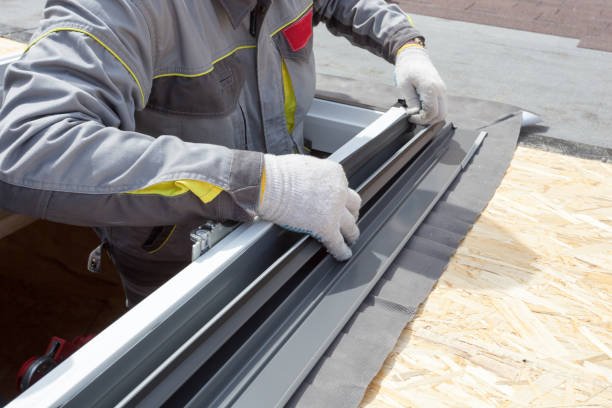
What products are used at penetrations like vent pipes, skylights, and HVAC curbs.
For EPDM roofs, look for contractors who use seam tape with a primer system. Single-step seam adhesives have been replaced by these more reliable products in quality residential work. Heat-welded TPO and PVC seams should be tested for proper bond after welding.
Question Four: What Does the Substrate Inspection Process Look Like?
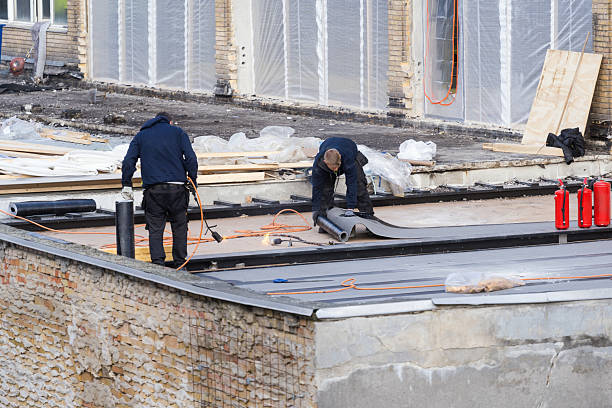
The substrate is what goes under the rubber membrane — usually plywood or OSB decking, with insulation between the decking and the membrane on most flat roofs. Quality contractors inspect the substrate carefully before installing new roofing.
Watch for these specific inspection steps:
Removing the old roofing to expose the decking.
Checking for soft spots, rot, or damage in the existing wood.
Verifying the slope is correct for drainage (some flat roofs need re-sloping to prevent ponding water).
Inspecting and replacing any damaged insulation.
Checking that drains, scuppers, and downspouts function properly.
A contractor who plans to install new rubber over the existing roof without inspecting the substrate is taking shortcuts that will cost you within a few years.
Question Five: What About Drainage?
Flat roofs do not really stay flat. They need at least 1/4 inch per foot of slope toward drains or scuppers to shed water properly. Standing water on a rubber roof — known as ponding — is one of the worst problems for membrane longevity.
Ask your contractor:
How drainage will be verified before the new roof goes on.
Whether tapered insulation will be added to improve slope if the existing slope is inadequate.
How drains will be flashed into the new membrane.
What overflow protection will be in place if the primary drainage gets blocked.
Quality installations address drainage problems during the new roof project rather than installing over existing drainage flaws.
Question Six: What Is Your Process for Penetrations and Flashings?
Every pipe, vent, skylight, and HVAC unit that comes through the roof is a potential leak point. Quality rubber roofing installations include specific details for each of these:
Pre-formed boots for round pipes that fit the specific pipe diameter.
Custom flashings for square and rectangular penetrations.
Properly sized curbs around HVAC equipment.
Proper sealing around all edges and walls.
A contractor who relies on caulk and roofing cement as the primary sealing method at penetrations is taking shortcuts. These materials degrade over time and create leaks. Mechanical fastening with proper flashings is what holds up long-term.
Question Seven: What Is Included in the Warranty?
Rubber roofing warranties have a few moving parts you need to understand:
Manufacturer warranty on the membrane itself. Typically 20 to 30 years for standard installations. Premium installations with specific manufacturer-approved components can extend this to 40+ years.
Workmanship warranty from the contractor. Typically 5 to 10 years on labor and seam integrity.
What is covered and what is not. Some warranties cover only material defects, not installation problems. Others cover both.
For homeowners in this area, our team handles the best Rubber roofing installation in Hudson, NH with full manufacturer-approved installations that unlock the longest available warranty terms. Our written quotes include all warranty terms so you know exactly what you are getting.
Question Eight: How Long Will the Project Take?
A typical residential rubber roof installation takes 1 to 4 days depending on size and complexity. Commercial flat roofs can take a week or longer. Ask your contractor for a specific timeline including:
Start date and projected completion date.
What happens if it rains during the project (rubber roofing requires dry conditions for proper installation).
How the existing space will be protected during the work.
When the new roof will be ready for full weather exposure.
A 2022 industry study from the Single Ply Roofing Industry noted that 40 percent of rubber roof failures in the first five years could be traced to installation done in poor weather conditions — too cold, too wet, or with inadequate cure time before exposure. A reputable contractor will not push to install in weather that compromises the installation.
Question Nine: What Are Your Manufacturer Certifications?
Major rubber roofing manufacturers like Carlisle, Firestone, and GAF run certification programs for installers. Certified installers must complete training, demonstrate proper installation techniques, and meet ongoing quality standards.
The certifications matter for several reasons:
Certified contractors can offer extended manufacturer warranties that uncertified contractors cannot.
Certifications indicate ongoing training and current product knowledge.
Manufacturers stand behind certified installations more readily when issues come up.
Ask about specific certifications by manufacturer name and product line. A vague answer should make you cautious.
Question Ten: Can I See Previous Rubber Roofing Projects?
Photos help, but in-person visits to completed projects tell you more. Ask to see:
A rubber roof the contractor installed at least 5 years ago to see how it has aged.
A recently completed project to see fresh installation quality.
Reference homeowners or building owners you can talk to about their experience.
A contractor confident in their work welcomes these requests. One who deflects or only offers digital photos is one to think twice about.
Question Eleven: What Is the Payment Structure?
A reasonable payment schedule for a rubber roofing project includes:
10 to 25 percent deposit at contract signing A progress payment when materials arrive on site Final payment upon completion and your satisfaction with the work
Be cautious of contractors who want 50 percent or more upfront. Quality rubber roofing manufacturers extend credit to certified installers, so legitimate contractors do not need huge upfront payments to cover materials.
Final Thoughts
Rubber roofing is a smart choice for flat and low-slope roofs in Hudson, NH, but the contractor you hire determines whether the roof performs for 30 years or fails within 5. Asking the right questions before signing a contract weeds out the contractors taking shortcuts and identifies the ones who will actually deliver quality work. The questions above are not about distrust — they are about getting the information you need to make a good decision. A confident, qualified contractor welcomes every one of these conversations.
Our team offers Experts Rubber roof repair services in Hudson, NH along with full new installation services. If you are planning a rubber roofing project for your home or building and want detailed answers about what your specific roof needs, reach out and we are happy to walk through your options and provide a written quote with full specifications.
Frequently Asked Questions
How long does rubber roofing last in New Hampshire?
Quality EPDM rubber roofs in New Hampshire typically last 25 to 35 years when properly installed and maintained. Premium 90-mil EPDM installations can last 35 to 45 years. The cold winters and freeze-thaw cycles in this region are actually well-suited to rubber roofing — EPDM remains flexible across a wide temperature range, which is why it has been used successfully on flat roofs throughout the Northeast for decades.
Is rubber roofing more expensive than other flat roof options?
Rubber roofing falls in the middle of the cost range for flat roofs. It costs more than basic built-up roofing or modified bitumen but less than premium PVC or copper systems. The longer lifespan and lower maintenance needs of rubber typically make it the better value over the full life of the roof. Get detailed quotes for the specific systems being recommended for your project to compare costs fairly.
Can I walk on a rubber roof?
EPDM rubber is durable enough to handle occasional foot traffic for maintenance like cleaning gutters or servicing HVAC equipment. Regular walking traffic can wear the membrane over time, so high-traffic areas benefit from walkway pads. If your flat roof will see frequent use as a deck or patio, talk to your contractor about appropriate protection systems before installation rather than retrofitting later.
Does rubber roofing need maintenance?
Yes, but minimal compared to many roofing materials. Annual visual inspection is recommended to check for any damage, debris accumulation, or seam issues. Keeping the roof clear of debris extends its life significantly. Have a professional inspection every 3 to 5 years to catch any small issues before they become bigger problems. Catching a small seam issue at year 10 is much cheaper than addressing a major leak at year 15.
Will a rubber roof affect my home insurance?
Most insurance carriers in New Hampshire treat rubber roofs favorably compared to older built-up or tar-and-gravel roofs because of their durability and fire resistance. Some carriers may offer slight premium discounts for newer rubber roof installations. Always notify your insurance carrier when you replace your roof — both to confirm coverage continues uninterrupted and to potentially benefit from any rate adjustments.