
Need Affordable rubber roofing installation in Lowell, MA? Compare EPDM, TPO, and PVC options, costs, permits, and how to choose a licensed contractor.
Flat and low-slope roofs are common throughout Lowell, from downtown commercial buildings to residential additions in the Highlands and Belvidere neighborhoods. When water pools on these surfaces, standard shingles fail. Rubber roofing membranes solve this problem by creating a seamless, watertight barrier that lasts decades.
Lowell’s climate presents unique challenges for flat roofs. Winter snow loads, spring freeze-thaw cycles, and summer humidity test every roofing system. The Massachusetts State Building Code—780 CMR—addresses these conditions with specific underlayment, drainage, and load requirements that differ from national model codes . Choosing the right rubber roofing system and a contractor who understands these local rules protects your property and your budget.
What Rubber Roofing Installation Involves and Why Lowell Property Owners Choose It
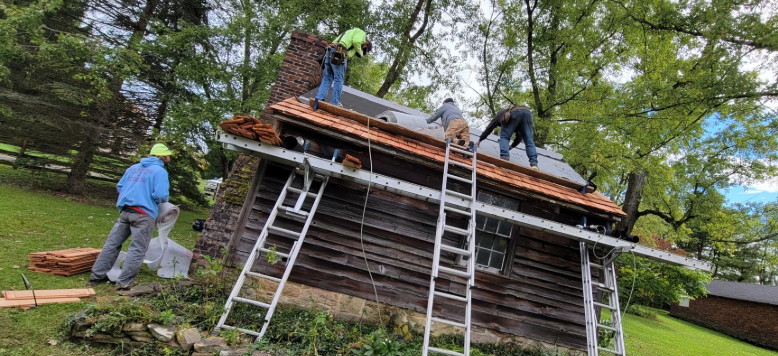
Rubber roofing refers to single-ply membrane systems installed on flat or low-slope roofs. The three main types are EPDM (ethylene propylene diene monomer), TPO (thermoplastic polyolefin), and PVC (polyvinyl chloride). Each creates a continuous waterproof layer that resists UV rays, temperature swings, and standing water. Professional rubber roofing installation in Lowell, MA
Property owners in Lowell install rubber roofing for three reasons. First, necessity. Flat roofs cannot shed water like pitched roofs, so they need a sealed system rather than overlapping shingles. Second, durability. A properly installed EPDM membrane lasts 20 to 30 years, while TPO and PVC systems last 15 to 25 years with proper maintenance . Third, energy efficiency. White TPO and PVC membranes reflect sunlight, reducing cooling costs during humid New England summers.
Lowell’s median home price sits around $525,000, up from $515,000 in 2024 . For homeowners protecting that investment, a quality rubber roof prevents the leaks that lead to mold, rot, and interior damage. Commercial property owners along Merrimack Street and Market Street rely on these systems to protect inventory and equipment.
Companies like Livingstone Renovations LLC that handle rubber roofing installation across Lowell understand the local building code. They know how to design drainage for flat roofs in a city that sees 45 inches of rain and 55 inches of snow annually, and they understand the permit requirements at Lowell City Hall.
Types of Rubber Roofing Membranes: Pros, Cons, and Local Suitability
Choosing a membrane means balancing cost, lifespan, energy performance, and how well the material handles Massachusetts weather.
Black EPDM absorbs heat, which helps melt snow in winter but can increase cooling loads in summer. It is available in 45 to 90 mil thicknesses and installs with adhesive, mechanical fasteners, or ballast . In Lowell’s cold climate, EPDM’s flexibility at low temperatures is a major advantage—it does not become brittle during January freezes.
TPO has become the dominant commercial membrane in North America because of its white reflective surface. The Cool Roof Rating Council measured reflective membranes reducing rooftop temperatures by 50 to 60°F compared to black surfaces . For a commercial building in Lowell with a large flat roof, that translates to measurable summer cooling savings. TPO seams are heat-welded, creating strong bonds that resist wind uplift.
PVC offers the highest chemical resistance, making it ideal for restaurants and industrial buildings where grease or chemical exposure is a concern. It also reflects heat well and lasts 20 to 30 years. The cost is higher, but for specific commercial applications, it is worth the investment.
The Rubber Roofing Installation Process Step by Step
A professional rubber roofing installation follows a strict sequence. Skipping steps or rushing preparation is why cheap roofs fail early.
Step 1: Roof Deck Inspection
Your contractor examines the existing roof for damage, moisture, and structural integrity. In Lowell, older buildings may have wood plank decks that need repair before a membrane can be installed. The crew checks for proper slope—flat roofs must drain within 48 hours of rainfall under 780 CMR . Top rubber roofing installation in Lowell, MA
Step 2: Substrate Preparation
The crew cleans the deck, removes old roofing if needed, and installs insulation. Tapered insulation improves drainage, which is critical in Lowell where ponding water accelerates membrane degradation. The Massachusetts Stretch Code, adopted by over 300 municipalities, may require specific insulation R-values .
Step 3: Membrane Attachment
There are three main methods. Mechanically attached systems use screws and plates to secure the membrane to the deck. This is faster and works well in cold weather when adhesives struggle to cure . Fully adhered systems bond the membrane across the entire surface using adhesive. This creates a smoother, more wind-resistant roof but requires careful application and suitable weather conditions . Ballasted systems hold the membrane in place with river stone. This is the cheapest method but adds significant weight and is less common in New England due to wind concerns.
Step 4: Seam Welding or Bonding
TPO and PVC membranes are joined with heat welding, which creates a monolithic surface. EPDM seams are glued or taped. Seam quality is critical—most leaks occur at poorly welded or glued joints.
Step 5: Flashing and Detail Work
Penetrations for HVAC units, vents, and drains get custom flashing. In Lowell, where snow and ice accumulate, metal flashing must be rust-resistant and at least 0.019 inches thick per 780 CMR . Perimeter details receive extra fasteners or adhesive to resist wind uplift.
Step 6: Inspection
Lowell requires a building permit and inspection for all roofing work . The inspector checks membrane attachment, flashing details, drainage, and code compliance. A final inspection triggers the permit closure.
A licensed contractor in Lowell noted that the city’s older mill buildings and converted industrial spaces often have odd roof geometries and multiple penetrations. These jobs take longer but require the same attention to detail as simple residential installations.
What Drives Rubber Roofing Costs in Lowell
Pricing depends on five factors: membrane type, roof size, preparation needs, attachment method, and permits.Trusted rubber roofing installation in Lowell, MA
Membrane Type
EPDM runs $4 to $8 per square foot installed. TPO costs $5 to $10. PVC ranges from $6 to $12 . Thicker membranes and premium warranties add to the material cost.
Roof Size
Larger roofs benefit from economies of scale. A 1,000-square-foot residential flat roof might cost $8,000 to $12,000. A 10,000-square-foot commercial roof could run $50,000 to $100,000 depending on complexity .
Preparation and Tear-Off
Removing an old membrane adds $1 to $2 per square foot . Repairing the deck, replacing insulation, or adding tapered drainage can add $2 to $4 per square foot.
Attachment Method
Mechanically attached systems are generally cheaper because they use fewer materials and install faster . Fully adhered systems cost more due to adhesive and labor but offer better wind resistance and a cleaner appearance.
Permits and Inspections
Lowell requires a building permit for roofing work, managed by the Development Services Division at City Hall . Permit costs vary by project value but typically range from $100 to $500 for residential work. Commercial permits cost more based on square footage and valuation.
For a typical 1,500-square-foot flat roof on a Lowell home, budget $7,000 to $12,000 for an EPDM system and $8,500 to $15,000 for TPO. Commercial projects with complex details and premium warranties can exceed these ranges.
How to Choose the Right Rubber Roofing Contractor in Lowell
Hiring the right contractor is as important as choosing the membrane. A poorly installed rubber roof will leak regardless of the material quality.
Verify Massachusetts Licensing
Massachusetts requires roofing contractors to hold both a Home Improvement Contractor (HIC) Registration and a Construction Supervisor License (CSL)—specifically the Specialty CSL Roof Covering license . The HIC registration costs $150 and requires a contribution to the state Guaranty Fund. The CSL requires three years of experience, passing an exam, and a $150 license fee . Verify both credentials through state portals.
Check Insurance
Your contractor must carry general liability insurance and workers’ compensation . Request a certificate of insurance naming you as the certificate holder. This protects you if a worker is injured on your property or if the work damages your building.
Ask About Flat Roof Experience
Residential shingle contractors are not always qualified for rubber membrane work. Ask how many EPDM, TPO, or PVC roofs the contractor has installed in the last two years. Request local references and addresses of completed projects in Lowell or nearby Chelmsford and Tewksbury.
Review Warranty Terms
Manufacturer warranties range from 10 to 20 years depending on membrane thickness and installation method. Workmanship warranties should cover at least one year. Get warranty terms in writing before signing.
Get Detailed Written Estimates
A proper quote breaks out membrane, insulation, fasteners or adhesive, flashing, labor, permits, and cleanup. Avoid lump-sum bids that hide shortcuts. You want to see exactly what is included.
A contractor who works exclusively on rubber roofing installation in Lowell—like Livingstone Renovations LLC—will have handled the local permit process, know which membranes perform best in freeze-thaw cycles, and carry the trade-specific insurance that general handymen often skip. That local focus matters when your roof must survive decades of New England weather. Right rubber roofing installation in Lowell, MA
Frequently Asked Questions
What is rubber roofing?
Rubber roofing is a single-ply membrane system—EPDM, TPO, or PVC—installed on flat or low-slope roofs. It creates a seamless, watertight barrier that resists UV rays, temperature swings, and standing water.
How much does rubber roofing installation cost in Lowell, MA?
EPDM costs $4 to $8 per square foot installed. TPO runs $5 to $10. PVC ranges from $6 to $12 . A typical 1,500-square-foot residential flat roof costs $7,000 to $15,000 depending on membrane and preparation.
Do I need a permit for rubber roofing in Lowell?
Yes. Lowell requires a building permit for all roofing work, including rubber membrane installation . The Development Services Division at City Hall manages permits and inspections.
How long does a rubber roof last in Massachusetts?
EPDM lasts 20 to 30 years. TPO lasts 15 to 25 years. PVC lasts 20 to 30 years with proper maintenance . Harsh winters and UV exposure can shorten these timelines if maintenance is neglected.
What is the best rubber roofing for snow and cold?
Black EPDM is the top choice for cold climates because it stays flexible at low temperatures and absorbs heat to help melt snow. TPO and PVC also perform well but may require more attention to seam integrity after freeze-thaw cycles.
How is rubber roofing attached to the roof?
Mechanically attached systems use screws and plates. Fully adhered systems use adhesive to bond the entire membrane. Ballasted systems use river stone. Mechanically attached is faster and works in cold weather; fully adhered offers better wind resistance
Can rubber roofing be installed in winter?
Mechanically attached systems can be installed year-round. Fully adhered systems are limited to warmer weather because adhesives need proper temperatures to cure . In Lowell, many contractors schedule adhered installations between April and October.
What causes rubber roofing to leak?
Poor seam welding or adhesion is the leading cause. Punctures from foot traffic or falling branches, failed flashing around penetrations, and ponding water also cause leaks. Regular inspections catch these issues early.
How do I maintain a rubber roof?
Inspect twice yearly—after winter and after summer. Clear debris, check seams and flashing, and reseal any gaps. Avoid harsh cleaning chemicals that degrade the membrane. A professional inspection every 3 to 5 years extends the roof’s life.
Does rubber roofing increase home value?
Yes. A new flat roof prevents leaks and interior damage, which buyers and inspectors look for. In Lowell’s $525,000 median market, a sound roof signals that the property has been maintained .
What is the Massachusetts Stretch Code and how does it affect roofing?
The Stretch Code is an optional but widely adopted energy code that imposes stricter insulation and air-sealing requirements on roof assemblies . In the 300+ Massachusetts municipalities that have adopted it, these rules directly affect roofing system design and material choices.
How do I verify a roofing contractor’s license in Massachusetts?
Check the Home Improvement Contractor Registration through the Office of Consumer Affairs and Business Regulation. Verify the Construction Supervisor License through the Office of Public Safety and Inspections . Both portals allow searches by name or license number.
Conclusion
Rubber roofing is the right choice for flat and low-slope roofs in Lowell. It handles snow, rain, and temperature swings better than traditional shingles, and modern membranes offer decades of protection when installed correctly. Start with a professional inspection, choose a membrane that matches your building and budget, and hire a licensed contractor who knows Massachusetts codes.