
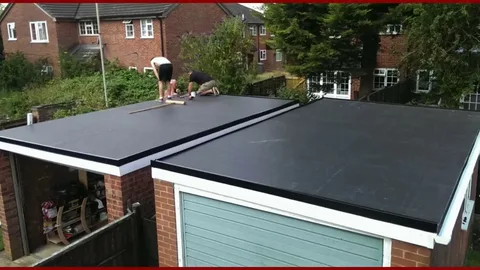
Property owners managing residential or light commercial buildings in Middlesex County understand that low-slope additions and flat garage extensions require unique water management strategies. Traditional asphalt shingles fail on flat surfaces because standing water can easily slip underneath the overlapping tabs, causing structural rot. Securing rubber roofing installation services in Groton, MA provides your building with a continuous, watertight single-ply membrane that seals out moisture completely. Many families near the Nashua River schedule these upgrades during seasonal exterior improvements to secure their properties before harsh winter snows arrive. Living Stone Renovations LLC delivers these precise membrane applications and substrate preparations to protect area homes from extreme New England weather.
Upgrading your low-slope roof requires high-performance synthetic materials that can survive deep freezes, spring thaws, and intense summer sun cycles without cracking. Old multi-layer built-up tar roofs often crack at the flashing joints after years of thermal movement, leading to hidden interior ceiling damage. Investing in professional rubber roofing installation services in Groton, MA introduces modern ethylene propylene diene monomer, or EPDM, panels that expand and contract smoothly. Local buyers look for verified roof maintenance records during real estate transactions, meaning a certified installation directly supports your property value. This protective upgrade gives you long-term security because the thick synthetic material blocks water from pooling over your heated living spaces.
Why local property owners select single-ply membranes
Structures located around historic Massachusetts neighborhoods face serious structural threats from ice dams and heavy snow accumulation during the winter season. When melting ice backs up along flat roof transitions, standard building materials leak, ruining your interior plaster and wall insulation. Booking rubber roofing installation services in Groton, MA eliminates these design vulnerabilities by creating a seamless, rubberized barrier over your flat additions. Neighborhood investors near the town center prioritize these long-term upgrades to prevent structural dampness in older historic frames. This exterior improvement shields your underlying wood decking from rot while directing heavy spring rains smoothly into your downspouts.
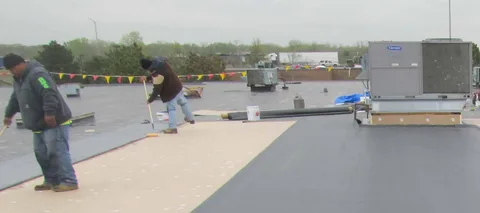
Suburban homes and local commercial extensions encounter distinct structural wear from overhanging oak trees, high winds, and heavy winter snow loads. Falling branches can puncture brittle, aged mineral cap sheets, creating immediate water entry pathways that threaten your electrical systems. Contracting with flat rubber roofing contractors in Groton, MA ensures your building receives a thick, impact-resistant shield that repels falling debris. These modern flexible rubber membranes prevent localized seam failures, which frequently impact poorly installed flat roofs during coastal autumn storms. Local buildings remain safe and structurally sound because the heavy-duty bonding adhesives keep the synthetic membrane anchored tightly against the roof deck.
Low-slope roofing material options for New England climates
Selecting the right low-slope hardware requires a clear understanding of how different synthetic materials perform under heavy snow pack and ice. EPDM rubber sheets provide incredible long-term durability and cold-weather flexibility, making them a very popular selection for local residential extensions. Thermoplastic polyolefin, or TPO, membranes offer high solar reflectivity, helping to lower cooling costs for buildings with large unshaded flat roofs. Polyvinyl chloride, or PVC, options deliver excellent chemical resistance, which works well for commercial spaces with kitchen exhaust systems. Each distinct material category carries unique physical benefits that match different architectural layouts and local environmental conditions.
| Membrane Material Type | Installation Method | Weather Resistance | Best Structural Fit | Expected Maintenance |
| Black EPDM Rubber | Fully Adhered | Excellent in Cold | Residential Additions | Periodic Seam Checks |
| White TPO Membrane | Heat-Welded Seams | High UV Reflection | Modern Flat Extensions | Annual Debris Clears |
| Reinforced PVC Sheets | Mechanical Fasteners | Chemical Resistant | Commercial Food Spaces | Regular Edge Cleaning |
| Rubberized Modified Bitumen | Torch-Down Application | High Impact Defense | Small Porch Roofs | Five-Year Seam Coating |
Deciding between these flexible single-ply roofing materials depends on your specific building layout and the amount of direct shade your roof receives. For example, black EPDM rubber sheets work beautifully on northern homes because they absorb winter solar heat, helping to melt snow quickly. TPO systems reflect summer sunlight efficiently, though they require specialized hot-air welding equipment to seal the overlapping panel seams properly. Requesting Reliable rubber roofing installation services in Groton, MA ensures that your private residence receives the ideal membrane thickness for your specific slope. Homeowners can combine these modern rubber installations with custom perimeter drip edges to guide rainwater safely away from their wood fascia boards.
The membrane preparation and application process
Substrate preparation and insulation staging
The long-term performance of your single-ply rubber system depends entirely on the stability of the underlying roof deck. Technicians pull up all old, waterlogged roofing materials and inspect the wood sheathing for structural soft spots or compression damage. This initial diagnostic phase identifies warped boards that require complete replacement before the new synthetic membrane goes down. Workers secure heavy-duty polyisocyanurate insulation boards to the clean wood deck using specialized plates and fasteners to improve home energy efficiency.
Detail flashing and mechanical termination
Crews apply thick, commercial-grade bonding adhesive to both the insulation board and the underside of the rubber sheet. They unroll the large rubber panels carefully, allowing the material to relax before smoothing it down with heavy linoleum rollers. This rolling process eliminates air pockets, ensuring a strong, permanent bond across your entire low-slope roof surface. Technicians secure the membrane edges using heavy aluminum termination bars along the brick chimneys and rising wall perimeters.
Custom edge flashing installation
Workers fit custom-fabricated metal drip edges around the roof perimeter to lock down the rubber membrane borders securely. This metal edge prevents high winter winds from getting underneath the rubber sheet and lifting it away from the building.
Seam tape compression bonding
Technicians clean all overlapping rubber seams with specialized primers before applying heavy-duty seam tape with a steel hand roller. This chemical bonding process creates a single continuous sheet across your roof, making it impossible for standing water to penetrate.
Cost variables for regional rubber roofing projects
Structural architecture and perimeter terminations
Every residential building presents unique structural lines that alter the total labor hours required to complete a rubber installation project safely. Roofs with multiple skylights, vent pipes, or masonry chimneys require extensive hand-detailing and specialized flashing boots to seal tightly. If your flat roof connects directly to a steep shingled roofline, technicians must install custom tie-in flashing pieces. Multi-level roofs demand extra material staging time because crews must move heavy rubber rolls up and down exterior walls using specialized lifting hoists.
Fascia board conditions and roof drainage setup
The structural condition of your existing edge boards alters the overall installation timeline before the new membrane can be secured. Saturated wood trim that has suffered from years of leaking must be completely replaced with fresh spruce or composite boards. Adding tapered insulation packages to create artificial slopes on perfectly flat decks changes the overall material requirements for the day. Local companies like Living Stone Renovations LLC analyze your roof perimeter to ensure your new rubber layout directs rainwater efficiently toward your gutters.
Selecting an experienced low-slope contractor
Locating a competent single-ply specialist involves checking active state licensing credentials instead of simply choosing the cheapest paper flyer in town. Property owners should focus on established regional businesses that hold current construction supervisor licenses and carry full liability coverage. A careless worker choice leads to long-term water damage if an uncertified helper punctures the rubber sheet during installation. Evaluate your local exterior renovation options using these strict professional benchmarks.
Confirming active state licensing and liability protection
Property owners must verify that a roofing firm carries active workers’ compensation insurance before allowing any machinery onto the property. A general handyman typically lacks the specialized heavy rollers and primers needed to adhere commercial rubber sheets, leading to bubbly finishes. True specialists carry extensive corporate insurance policies that protect your home structure if an accident happens during the construction process. Confirming these safety qualifications protects your personal assets while ensuring the work complies with the Massachusetts State Building Code.
Researching regional experience and community focus
Analyzing past single-ply upgrades completed across Middlesex County helps you evaluate the level of skill a field contractor delivers. A contractor who works exclusively on low-slope systems—like Living Stone Renovations LLC—will have handled the local permit process and know local conditions. These specialized teams understand how a heavy winter snow pack affects roof loading limits, helping you avoid structural sagging issues entirely. National corporate networks often rush through the installation process using thin-gauge materials that split after a few freezing winters.
Conclusion
Protecting your residential flat roof from severe water damage requires a combination of seamless rubber sheets and correctly installed perimeter flashing. Utilizing professional rubber roofing installation services in Groton, MA eliminates chronic leak issues and prevents your wooden roof deck from rotting over time. Spending money on high-quality single-ply upgrades saves you from future interior remodeling work by stopping winter ice dams before they start. Selecting an experienced regional maintenance team ensures that your flat roof restoration project follows strict industry application standards through every step.
Updating your low-slope extension with durable synthetic hardware adds an important layer of long-term protection to your home exterior. Partnering with Expert flat rubber roofing contractors in Groton, MA specialists guarantees that your membrane panels handle standing water and heavy snow packs effortlessly. This smart infrastructural investment lowers your future roof repair costs while keeping your interior living spaces warm and dry. Trusting your construction project to an experienced regional professional gives your family a safe, energy-efficient home environment for many years.
FAQs
How do continuous rubber membranes stack up against asphalt shingles on flat roofs?
Shingles have a steep gravity slope to drain water off, which makes them very unsuitable for flat surfaces where water collects. Continuous rubber membranes create a completely sealed, single-ply barrier designed to safely hold standing water without leaking into your home.
What is the industry-standard installation time for a professional team to put up an EPDM rubber roof?
Expert installation crews consisting of three members will typically finish upgrades on common low-slope entryways in two working days or less. The crew promptly removes the defective and damaged materials and installs new insulation boards and adheres the rubber membrane.
Are building permits required for replacing a low-slope rubber roof in Massachusetts?
The municipality’s city to building department requires a building permit and a final safety inspection for all structural roof replacements. This administrative process allows them to verify your insulation values and wind uplift ratings comply with the Massachusetts State Building Code.
How do winter temperatures in freezing range impact the installation of a fully adhered rubber roof?
When the harsh winter weather strikes, installers must work with solvent-based bonding adhesives that can cure below freezing. Water-based adhesives applied in freezing temperatures freeze before they can bond which causes instant membrane failure.
How frequently should a property owner have a professional single-ply rubber roof inspection?
All homeowners should get their flat rubber roofs checked once a year ideally late autumn before the snow appears in winter. To ensure the tightness of your perimeter termination bars and the adhesive bond of your rubber seam tapes, regular checks must be conducted.